
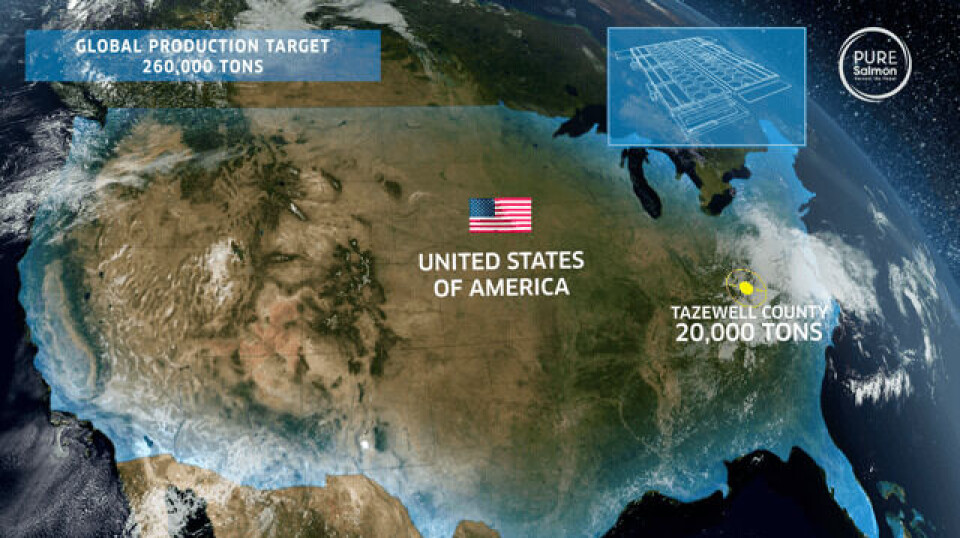
Pure Salmon reported to have put US project on hold
President Donald Trump's tariffs on equipment from China mean the next stage of the RAS facility would cost tens of millions of dollars more if carried out now, says Virginia politician

Published
Modified
The development of Pure Salmon's planned recirculating aquaculture system (RAS) steelhead trout farm in the US state of Virginia has stalled, according to state politician Will Morefield.
In a statement to Cardinal News, he refers to information he has received from the company. Morefield has long been a driving force behind the project.
"The company was ready to resume construction a few months ago, but the uncertainty surrounding tariffs makes planning very challenging and costly," he told the newspaper.
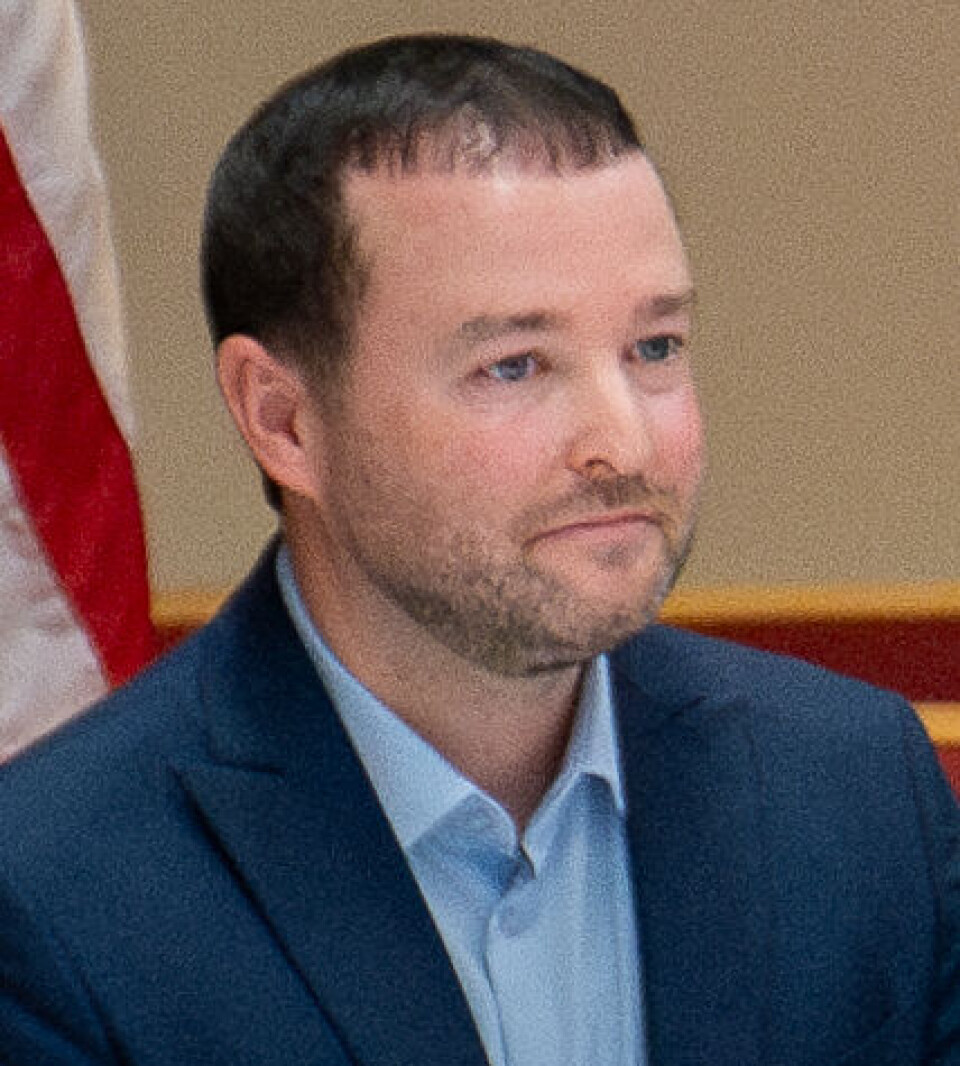
According to Morefield, the tariffs could increase project costs by tens of millions of dollars, making it financially unviable for the company to resume construction until the situation is resolved.
More expensive components
The next phase involves installing pipes and other infrastructure before the production buildings can be erected. Morefield says that the majority of the components for the first phase are manufactured in China, and that US tariffs on these goods make the work significantly more expensive.
He also points out that the conflict in the Middle East has increased fuel prices and exacerbated the cost increase.
So far, groundworks have been completed and an access road has been built to the site, which is located on the border between Tazewell and Russell County. No production buildings have been erected, Cardinal News reports.
Water and wastewater infrastructure upgrades undertaken by Tazewell County have also been put on hold, with some of the funding missing, according to County Administrator Eric Young.
The switch from salmon to trout
Cost increases have previously led to changes to the project. In April 2025, LandbasedAQ reported that Pure Salmon was switching from Atlantic salmon to rainbow trout.
The background was inflation and high tender prices for infrastructure work, which had caused the company to reassess its profitability.
The plant is planned to have an annual production capacity of 10,000 tonnes, revised from 20,000 tonnes. According to Morefield, the switch to rainbow trout will save the company about $25 million because it will not be necessary to build a desalination plant.
Already postponed
When LandbasedAQ reported on the species swap, the planned start-up had been moved from mid-2028 to late 2028 or early 2029. Work on the water and wastewater infrastructure was scheduled to begin in the fall of 2025, about a year later than originally planned.
During a public briefing in April 2025, Pure Salmon also stated that the company had invested around $80 million in the project.
The Tazewell project is not the only one to have been put on ice due to the uncertainty caused by President Donald Trump's tariff policy.
In August, the developers of a land-based salmon farm in Millinocket, Maine, said the project was on hold due to uncertainty with tariffs on equipment from Canada.
Great Northern Salmon, Inc. planned to build a $300 million aquaculture facility at the site of a former paper mill. Planning and design work were finished, and the initial site preparations were about 80% complete, said Marianne Naess, chief executive of Great Northern Salmon.
Engineering work had been expected to start this autumn and construction next spring, she said.