
Kingfish Company increased revenue by 9% in Q2
But fall in superior share partly offset price advantage of larger fish
Dutch land-based fish farmer The Kingfish Company made revenue of €10.4 million (£8.92m / NOK 114.2m) in the second quarter of this year, a 9% increase compared to the same period in 2025, it said in a trading update today.
Sales volumes increased by 5% year-on-year to 755 metric tonnes. On a like-for-like basis, excluding fresh sales in the United States, which were discontinued in October 2025, revenue increased by 15% and sales volumes grew by 9%.
The update did not include figures for profit and loss, but the company has never yet recorded an operating profit.
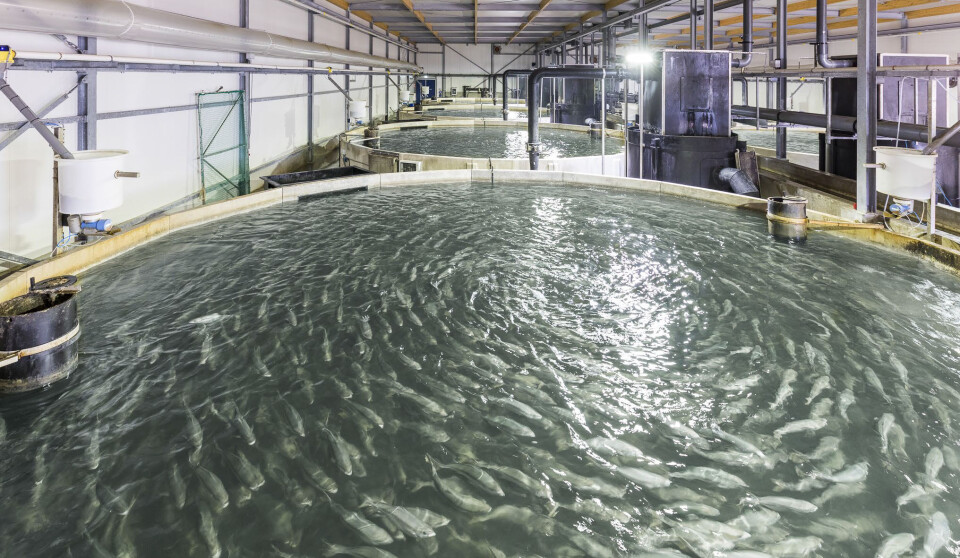
The company, which grows yellowtail kingfish (Seriola lalandi) in a recirculating aquaculture system (RAS) facility in Zeeland, said demand from the food service market remained strong, particularly for fresh large fish. It added that customer engagement continues to strengthen with chef partnerships, expanded distributor agreements, and resilient demand in priority markets.
More large fish
Fresh large fish volumes increased by 28% year-on-year on a like-for-like basis during the quarter. Pricing for superior-quality fresh large fish also remained robust, increasing by 5% year-on-year on a like-for-like basis.
Average revenue per kilogram increased by €0.60 to €13.8, compared with Q2 2025, although the improvement in underlying pricing was partly offset by a lower proportion of superior fish, impacting the price mix during the quarter.
Frozen sales revenue decreased by 33% year-on-year, reflecting the company’s
continued focus on developing the premium fresh and frozen segments and
prioritising value over volume.
691 tonnes in Q2
Production in Q2 amounted to 691 tonnes, broadly stable compared
with 707 tonnes in the same quarter last year. Standing biomass reached
950 tonnes at quarter-end, in line with the company’s targeted nominal
level.
From mid-May, Kingfish Company experienced a temporary decline in the proportion of superior-grade fish, from above 90% to approximately 75%. The lower share of superior-grade fish primarily affected large fish and resulted in an adverse product-mix impact during the quarter.
The fish farmer said it has undertaken a detailed review to identify the causes and has implemented corrective measures, including reversing certain changes to farming practices introduced over recent quarters.
The first benefits of these measures are expected to become visible during the coming quarter. However, due to the biological production cycle and the fish currently in the biomass, the product mix is expected to remain affected for the next six to 12 months.
Focused on consistency
The Kingfish Company said it remains focused on strengthening operational consistency while building on its market growth momentum.
Last month Kingfish Company completed a €21 million private placement, alongside the conversion of its outstanding convertible loan and the amendment of its senior financing agreement. It said that together, thuse steps materially strengthened its balance sheet, improved liquidity, and simplified its capital structure.
Icelandic family investment company Eyrir Invest became the largest shareholder as a result of the transaction. Eyrir Invest was the majority shareholder in Icelandic food processing machinery maker Marel before its merger with JBT to become JBT Marel.